
Specialist Insurance for Schools: Protecting the Future of Learning
Specialist Insurance for Schools

The real value of specialist insurance for schools lies in helping learning continue when something goes wrong. For South African schools balancing tight budgets with big responsibilities, appropriate cover can help prevent an unexpected loss from becoming a prolonged disruption. The starting point is understanding what your school needs to recover.
Cornerstone Insurance Brokers believes school insurance should reflect each institution’s risks, responsibilities, and budget. That means looking beyond the buildings to consider the people, activities, and resources that keep a school running.
A damaged classroom is more than a repair bill
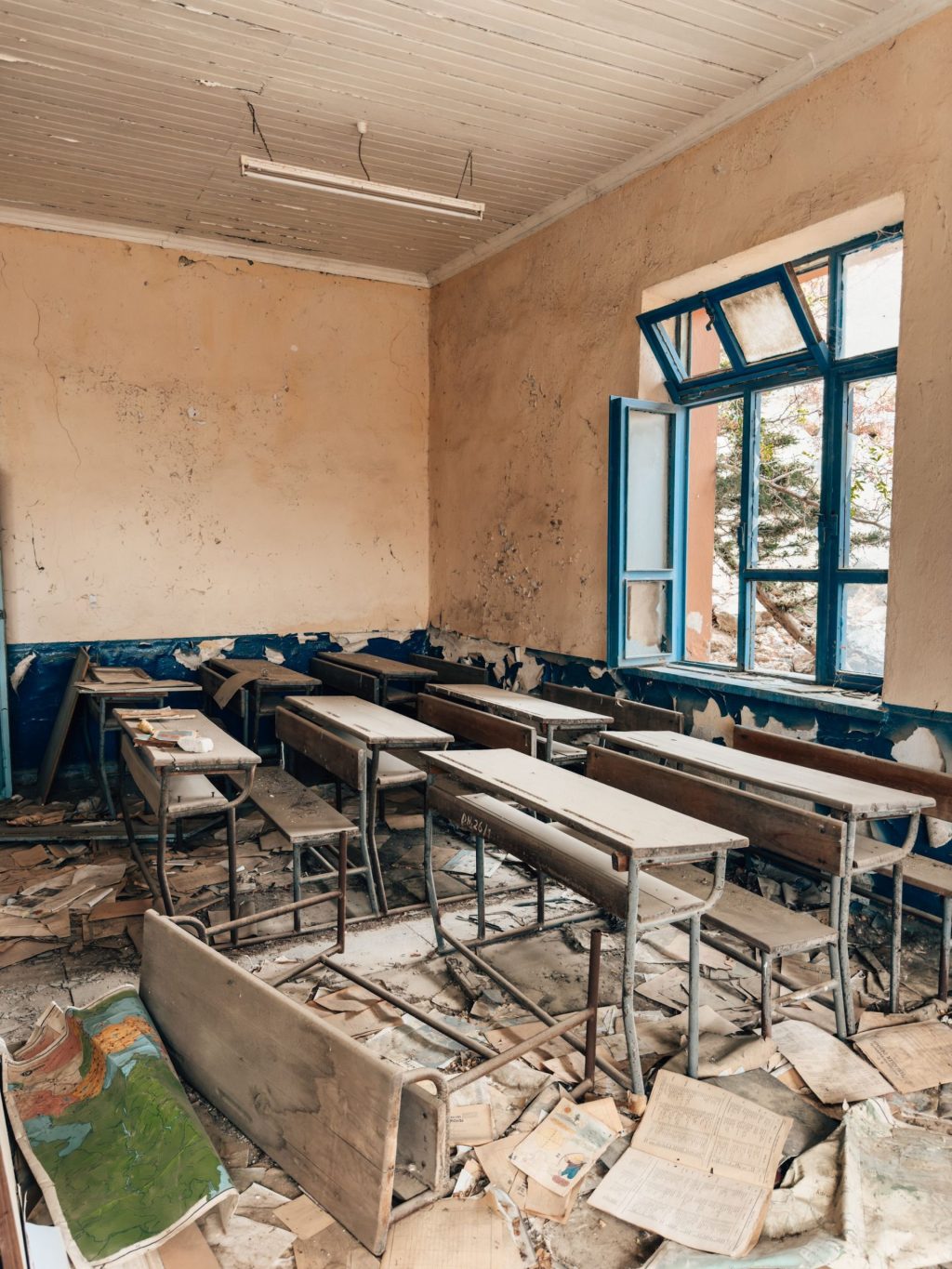
Imagine a storm damages several classrooms. The immediate concern is obvious: making the affected area safe and repairing the damage. But the practical questions quickly multiply.
Where will those learners go? Has teaching equipment been damaged? Could temporary arrangements create additional costs? How will the school keep lessons on track while repairs take place?
This hypothetical situation highlights an important point: the cost of a loss can extend beyond the asset that’s damaged.
When reviewing insurance for schools, it’s useful to ask two questions together: What could we lose, and what would it take to keep teaching afterwards? That shifts the discussion from simply insuring possessions to planning for recovery.
What should specialist insurance for schools consider?

Buildings and contents are a sensible starting point, but they’re only part of a school’s risk profile. Depending on the institution’s facilities and activities, a review may also need to consider:
- Property and equipment: Classrooms, offices, furniture, computers, and other teaching resources exposed to risks such as fire, theft, and storm damage.
- Liability exposures: Claims involving alleged negligence, injuries, or damage to someone else’s property.
- Learner accidents: Whether appropriate accident cover is in place, and how it differs from liability protection.
- School transport: Vehicles and their use, including arrangements for outings, sporting fixtures, and other school activities.
- Leadership responsibilities: Potential claims involving governing bodies, principals, and covered management decisions.
- Operational disruption: Whether the insurance programme addresses relevant financial consequences of an insured interruption.
- Cyber incidents: Risks associated with digital systems and the information a school holds.
These areas shouldn’t be treated as automatically included in a single policy. Cover, limits, exclusions, and excesses need to be checked against the school’s actual circumstances.
We help schools assess their risk profile, review existing protection, and identify areas that may need attention.
Tight budgets make prioritisation essential
When every rand already has a purpose, an insurance premium can feel like another demand on resources. The concern is understandable. Schools must balance protection with the immediate needs of learners and staff.
A useful review starts with the losses that would be hardest to absorb. Which event could place the greatest pressure on reserves? Which resources would be most difficult to replace? What disruption could the school realistically manage itself?
Those questions help guide discussions about suitable cover within the available budget.
They also make comparing quotations more meaningful. A lower premium deserves a closer look alongside the policy’s limits, exclusions, excesses, and benefits. The practical question is whether the school could manage the costs left for it to pay after a covered claim.
Community fundraising may provide valuable support after a loss, but its timing and outcome are uncertain. It’s worth considering how the school would respond while that support is being organised.

“We already have insurance” is a starting point

An existing policy is worth reviewing as the school changes.
Perhaps there’s a new classroom block, additional computers, a school vehicle, or a wider sporting programme. A change in facilities or activities is a useful prompt to check whether the insurance still reflects what happens on campus and beyond the school gates.
A review can help clarify:
- Whether insured values reflect the assets currently in use.
- Which activities and vehicles fall within the cover.
- What excesses the school would need to fund.
- Which exclusions or limits could affect recovery.
- What information and documents would be needed when reporting a claim.
A clean claims history is welcome, but it doesn’t remove future risks. Equally, a small or rural school needs protection suited to its own circumstances. Size alone doesn’t tell the full story.
Give school leadership clarity
Principals and governing bodies make decisions that affect learners, staff, finances, and facilities. Understanding the scope of their insurance protection is part of being prepared.
Appropriate cover may help address certain claims arising from management decisions or alleged negligence, subject to policy terms. It’s important to establish who is insured, which responsibilities are covered, and where exclusions apply.
Insurance also works alongside everyday precautions: maintaining buildings, keeping records, supervising activities, and protecting access to digital systems. Together, these measures support a more considered approach to managing risk.

Start with a conversation about your school

A useful school insurance review should leave you with a clearer understanding of your protection and the financial exposure that remains.
Cornerstone Insurance Brokers will help you look at your school’s existing cover in the context of its resources, activities, and budget. Our focus is on identifying potential gaps and helping you understand the options.
Contact us to review your school insurance and take the next step towards protecting the future of learning.
SHARE THIS ARTICLE